— A feature in 2019 —
The Work That Actually Moves Things
Nexzone Pulse Shift helps small and mid-size teams cut through operational drag and make decisions that hold. No frameworks sold separately.
Daniel Marsh spent eight years inside organisations before he started Nexzone Pulse Shift in 2019. The last of those years was at a logistics company in Rotterdam where he watched a capable team of thirty people spend roughly forty percent of their working week in meetings that produced no decisions. He kept a log. Over eleven months, he counted sixty-three meetings that ended with the phrase 'let's circle back on this.' He left that job in March 2019 and spent the following summer building the diagnostic framework that still sits at the core of every engagement.
The name came from a conversation with a former colleague, Priya Nair, who described the moment a stuck team finally starts moving as a 'pulse shift.' It stuck. The first client was a seven-person product studio in Berlin that had grown fast and lost its ability to ship. The engagement lasted ten weeks. By the end, they had cut their weekly meeting load by half and shipped two features that had been sitting in backlog for four months. That result wasn't magic. It was the product of very careful attention to where time was actually going.
Keeps the practice to four active engagements at a time— Daniel Marsh
The name came from a conversation with a former colleague, Priya Nair, who described the moment a stuck team finally starts moving as a 'pulse shift.' It stuck. The first client was a seven-person product studio in Berlin that had grown fast and lost its ability to ship. The engagement lasted ten weeks. By the end, they had cut their weekly meeting load by half and shipped two features that had been sitting in backlog for four months. That result wasn't magic. It was the product of very careful attention to where time was actually going.
Lena Voss, associate, holds an MSc in organisational psychology from Utrecht University
Never delivers a recommendation without a named owner and a specific deadline
A small set of working documents we have developed over five years of engagements. Each one is used in our own practice. They are not templates in the generic sense. They reflect specific decisions we made about what to include and what to leave out.

A single-page document for recording who made a decision, what information they had, and what the expected outcome was. We use this in every 90-Day Shift engagement. The format was refined over three years and about forty client teams. Available as a fillable PDF and a Notion template.
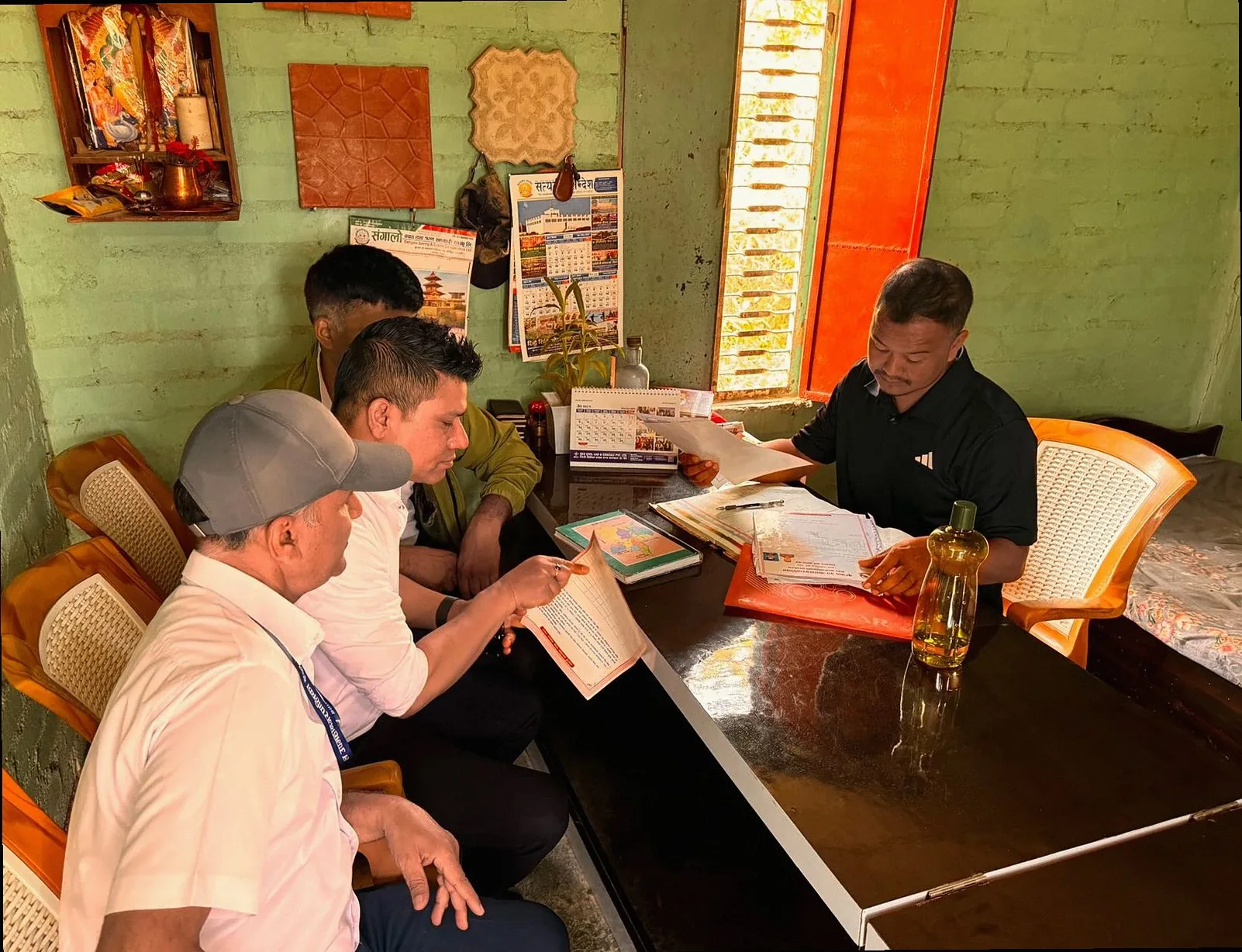
A structured worksheet for mapping every recurring meeting in a team's calendar: its stated purpose, its actual output, who attends and why, and what it costs in salary hours per month. Takes about ninety minutes to complete for a team of ten. The cost column tends to be the most clarifying.
There is a particular kind of exhaustion that has nothing to do with the volume of work. It…
There is a particular kind of meeting that most teams recognise by feel long before they can name…
Every leadership transition carries a version of the same quiet disaster: a competent successor…
Daniel Marsh spent the first decade of his career inside organisations: a mid-size logistics firm in Rotterdam, a consulting arm of a Dutch bank, and briefly a product team at a Berlin-based SaaS company. He left full-time employment in March 2019 to found Nexzone Pulse Shift, drawing on a diagnostic framework he had been quietly building for two years. He holds a degree in industrial and organisational psychology from the University of Groningen and reads widely in systems thinking, particularly the work of Donella Meadows. On weekends he cycles long distances and keeps a paper notebook he has filled every year since 2011.
Most management consultants deliver a report and leave. We stay through the first 90 days of implementation, which is where most recommendations fall apart. We also keep the practice small deliberately. You work with Daniel or Lena, not a rotating cast of junior analysts.
Between six and sixty people, roughly. Below six, the problems are usually different in character and our approach is less well-suited. Above sixty, the structural complexity tends to require a larger team than we are. We will tell you honestly if we think we are not the right fit.
The Diagnostic Sprint is two weeks. The 90-Day Shift is, as the name suggests, about ninety days. Leadership Transition Support varies but typically runs twelve to sixteen weeks. We do not extend engagements without a clear reason. Dependency is not a good outcome for either party.
Yes, and most of our work is remote. For the observation phase of a Diagnostic Sprint or 90-Day Shift, we prefer at least two days on-site if the team is co-located. That said, we have run fully remote diagnostics successfully. It takes longer and requires more structured async documentation, but it works.